
The Best Chicken Feed
by Isabelle Esch
Welcome to my guide on choosing the Best Chicken Feed for your chickens, an article in my series Raising Chickens for Beginners.
In this article we are going over a few different ways save money feeding your chickens, as well as what is the best chicken feed you need for different chickens.
What kind of chickens do you have? Layers? Meat birds? Chicks?
Whatever kind they are, they need to eat. Shopping for feed can be hard, if you walk into a store they will have all sorts of chicken feed that say they are the best, but is it really that great just because it says it is?
Just because it says it makes them grow big or fast doesn’t mean its actually good for them.
So What is the best chicken feed for your chickens?
There really is no all around best chicken feed, because different chickens need different kinds of feed.
Layers are going to need laying mash with all of the proper nutrients to help with egg production, but they also need to feel full or else they will be agitated, chicks will need chick starter as well.
Meat birds will grow better with chicken broiler feed, but broiler feed can be expensive.
I found that giving layers and meat birds a mixture of oats, barley, sunflower seeds, or just birdseed and mash will fill them up without being too expensive.
Chicks can be fed grower when they are 8 weeks and if they are layers they can switch to layer mash when they start to lay, or around 18-20 weeks, depending on the breed.
As for buying the chicken feed, you can buy it straight from grain mills nearby, that is sometimes cheaper, they will probably have all the different kinds of chicken feed you need there.
They will have mixes made especially for different kinds of birds, and most of the time they will be right, but you may want to research before buying and look through the ingredients.
When you buy laying mash, organic is a little more expensive, and sometimes harder to find locally, but it will improve your chickens mood and help have healthier chicks, better eggs, and meat.
If you can’t buy organic chicken feed I still have a rule I like to follow, if you can’t see what’s in your food, don’t eat it.
The same goes for your chickens, the strange brown crumble they sell in stores I always avoid, I also like to see the what is in the feed before purchasing it, if possible.
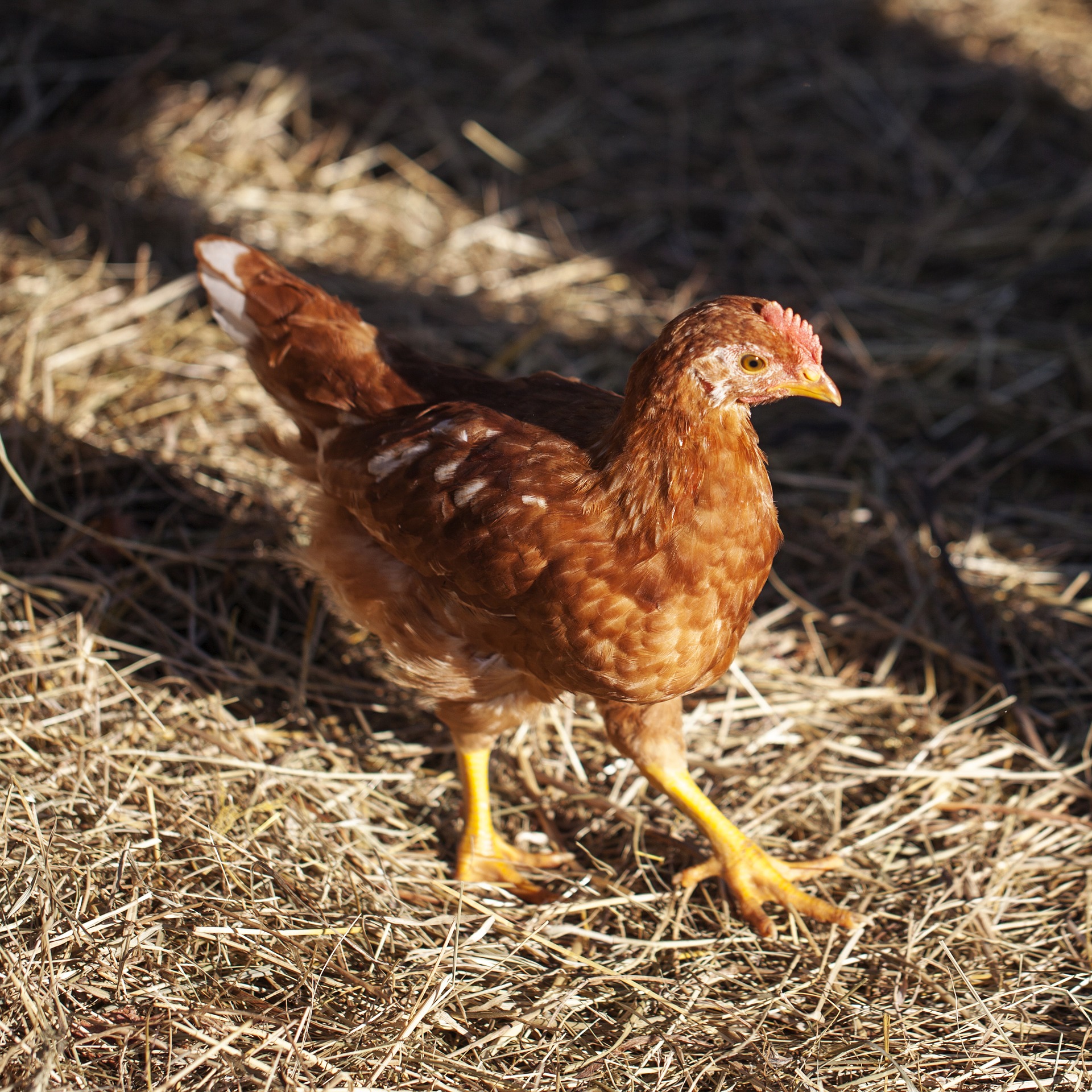
Fermenting and Sprouting
The best chicken feed for your chickens can cost even less, the seed and grains can be fermented to last longer and fill up your chickens faster.
Just put it in buckets with enough water to cover the grain plus a little extra and put lids on them.
We always do this in the warmer seasons, and we let the chickens out during the day to forage, and you can give them kitchen scraps too.
They will just about eat anything!
Just be careful not to feed your chickens too much of any one thing.
You can also sprout oats and other grains, just leave them in buckets with enough water for them to soak up, you may have to experiment a little, and wait to see the little white sprouts coming from the seeds.
You can leave them for longer as well, until you start to see green.
As you can see, there are a lot of options for feeding your chickens naturally.
Thanks for reading! Check out the articles in my series Raising Chickens for Beginners and I wish you good luck on your chicken raising journey.
Read More about Post and Beam Barn Kits below.
Is it worth while to have a local sawmill cut some or all of my Barn Lumber or even do it myself?
We have a LOT of eastern red cedars, Tulip Poplars, among other species. If I have a local sawmill cut our pieces for us, would you expect a significant savings overall?
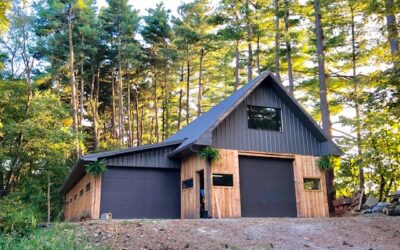
Pride and Accomplishment in Having Built a Barn Myself
Besides the utility of having a barn and the value it adds to our property, having built the barn myself has given me a sense of pride and accomplishment that’s hard to place a value upon.
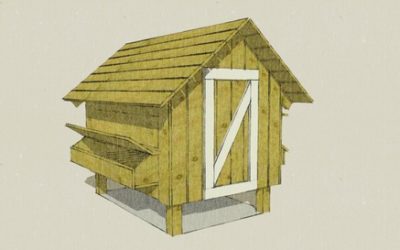
Free Chicken Coop Plans
You can build this hen house with these free chicken coop plans. It is easy to do. All you need is some rough cut lumber, a hammer, nails, and a circular saw. You can even build one with regular dimensional lumber from your local lumber yard. I built one like this for...
36 egg incubator reveiw. Trying an incubator from amazon.
In may of 2024 my husband and I decided to purchase an incubator in the hopes of hatching some cute silkie chicks for our son to enjoy. We bought eggs from local breeders to hatch along with sticking some layer mixes from our own farm in. As a busy family with my...
Best exterior coating for a barn?
Question asked in the BarnGeeks Facebook Group 4/21/24 Does anybody have any recommendations of the best exterior coating for a 40x60 gambrel? Unfortunately the wood is not rough cut so it won't absorb as well as all of the beams and the frame. I used iron oxide mixed...

Rebuilding Tradition: A Family’s Journey with BarnGeek’s Gambrel Timber Frame Barn
The old 40 x 60 barn my grandfather built in the forties collapsed in a snowstorm in 2015. I wanted to replace it with a similar style so I chose the 40 x 60 gambrel.

Fall 2019 to Now: The Story of Our 44×60 BarnGeek Barndominium!
We are thrilled to share an inspiring story from one of our Barn Plans Library members. This family embarked on a remarkable journey to transform our BarnGeek 40x50 plan into their dream home. Back in the fall of 2019, they decided to mix a couple of our plans,...
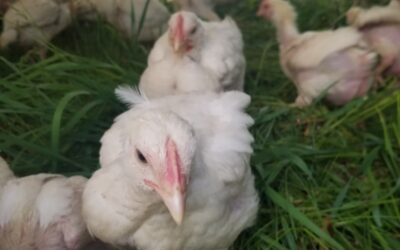
The Best Treats for Your Chickens this Summer
What are the best treats for my chickens? What can I safely feed my chickens? Let's look at some common chicken treats and what makes them good for you (your wallet) and your chickens! 1. Food scraps Low waste, low cost, and tons of fun! What could be better? Chickens...

Barn Kits Available Now!
Full Barn Kits are Back! Have you thought to yourself, “I would sure love to build one of those BarnGeek Barns but I just wish I could get everything I need to build it in one all inclusive kit!” Well, today is your lucky day! We are proud to announce...
Recent Comments